
obesity
In my 40+ years as an obesity medicine physician specialist, my entire counseling philosophy and weight management program approach have been rooted in behavior change research related to diet, physical activity, sleep, stress and body image. Obesity medication and bariatric surgery were prescribed as an adjunct to lifestyle counseling. This traditional paradigm is now being…
Most people don’t like taking medications – especially longterm. In fact, medication fatigue where individuals stop taking a new medication, like a statin or blood pressure pill, is commonplace. But the number of individuals stopping GLP-1 medications is especially concerning as studies show that over 50% of GLP-1 users discontinue the medication by 1 year…
I recently had the exciting opportunity to educate gynecologists and fertility specialists throughout India on the role of semaglutide in women’s reproductive health. This allowed me to take a deep dive into the research and medical data answering the question: can obesity treatments improve women’s health outcomes and fertility rates? The answer is a resounding…
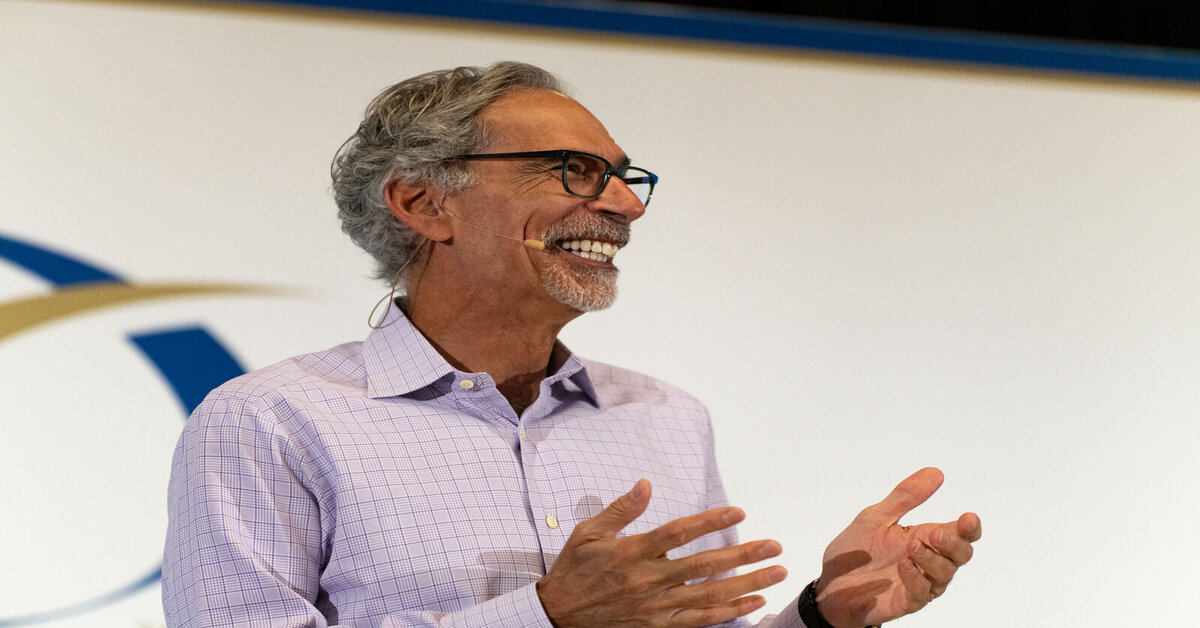
The effects of game-changing GLP-1 medications on individuals and society was the topic of my recent keynote address at the Northwestern University Alumni Association event in Naples, Florida. Individuals on GLP-1 medications are changing how they eat, shop, live, play and get their healthcare and companies are taking notice. We usually think of big tech…
Obesity care is a team sport. One clinician does not have to shoulder all the responsibility nor is expected to have the necessary expertise in all aspects of care. And yet, in some circles, you may think that team-based obesity care is a thing of the past as individuals get prescriptions for obesity medications with…
Despite the many recent breakthroughs in obesity medicine, misunderstandings about the disease of obesity persist among patients, clinicians and insurance providers. The disease of obesity is a complex, relapsing condition that requires multimodal therapies. It is not a personal choice or a failure of willpower. And yet people with obesity can be blamed and shamed…
In the 40+ years I’ve been practicing, recent clinician interest in providing obesity care has soared off the charts. I see it in the varied healthcare professional groups I speak to at conferences and through lectures and podcasts. Though the exciting new obesity medications may be what spurred initial interest, clinicians are also seeking guidance…
As a leader in obesity medicine, I have been passionate about educating clinicians on the best practices of providing care to their patients who are living with obesity. Toward that end, I’m excited to share that I have a new book for healthcare professionals coming soon, titled Patient-Centered Weight Management: The Six Factor Professional Program…
Recently published papers and news articles are covering exciting findings related to obesity complications, co-morbidities and treatments. There are over 200 such complications that are related to obesity. Three of the complications may go unnoticed but have been shown to improve with treatment by one of the new highly effective obesity medications: Sleep apnea, a…
It’s no secret that the new, highly effective injectable obesity medications have impressive weight loss benefits. This has led millions of people who struggle with weight to ask their health care professionals whether or not they are candidates for taking these new medications. But we’ve known for a long time that there is more to…